


Octane Details
:
IUPAC Name
Octane
:Chemical Class
Alkane
:CAS Registry Number
111-65-9
:Description
N-octane is a colorless, gasoline-like liquid that is lighter than water and does not dissolve in it, causing it to float on the surface. It can release vapors that are irritating when inhaled. Chemically, octane is a straight-chain alkane consisting of eight carbon atoms and is classified as a xenobiotic compound in biological systems.
:Fragrance Type
gasoline like odour
Physical and Chemical properties
| PUBCHEM ID | 356 |
| CAS Registry Number | 111-65-9 |
| Aroma Threshold | |
| Molecular Weight (g/mol) | 114.23 |
| Molecular Formula | C8H18 |
| Hydrogen Bond Donor Count | 0 |
| Hydrogen Bond Acceptor Count | 0 |
| Rotatable Bond Count | 5 |
| IUPAC Name | octane |
| Canonical SMILES | CCCCCCCC |
| PUBCHEM IUPAC INCHIKEY | TVMXDCGIABBOFY-UHFFFAOYSA-N |
| Solubility Level | 3 |
| Vapour Pressure |
Absorption and Metabolism information
| XLOGP3 AA | 3.9 |
| CACTVS TPSA | 0 |
| BBB Level | 0 |
| Absorption Level | 0 |
| EXT PPB#Prediction | True |
| AlogP98 | 4.021 |
| EXT CYP2D6#Prediction | True |
Toxicological Information
| Mouse Female FDA | Non-Carcinogen |
| Mouse Male FDA | Multi-Carcinogen |
| Rat Female FDA | Single-Carcinogen |
| Rat Male FDA | Non-Carcinogen |
| Ames Prediction | Non-Mutagen |
| Developmental / Reproductive Toxicity | Non-Toxic |
| Rat Oral LD50 | 3.10584 |
| Ocular Irritancy | None |
| Hepatotoxic#Prediction | False |
| Effected Human Genes |
Ecological Information
| Aerobic Biodegradability Prediction | Degradable |
Hazard(s) Identification
| Physical hazards | not classified |
| Health hazards | Severe |
| Environmental hazards | not classified |
Compound Biological Activity
| Serial No. | Activity Name | Details | References (PubMed) | Other details EPA (U.S) | Clinical Trials (U.S. NIH) |
|---|
Compound Image

2D Structure
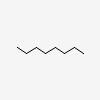
Download Sdf File Download PDB File Download MOL File
View Similar Structures (External DB)