

Essential Oil Details
Introduction
The most common form in cultivation is the common or English lavender Lavandula angustifolia (formerly named L. officinalis). A wide range of cultivars can be found. Other commonly grown ornamental species are L. stoechas, L. dentata, and L. multifida (Egyptian lavender). Essential oil used in high grade fragrances and cosmetics, especially creams, talcum powders used in providing fragrances to pharmaceuticals like ointments, creams, lotions. It is also used in therapeutics as an antispasmodic, carminatives, in head aches.
Other Details
Lavender essential oil, when diluted with a carrier oil, is commonly used as a relaxant with massage therapy. Products for home use, such as lotions, eye pillows (including lavender flowers or the essential oil itself) and bath oils, etc., are also used. Both the petals and the oil are the most popular ingredients in handmade soap. Dried lavender flowers and lavender essential oil are also used as a prevention against clothing moths, which do not like their scent.
Reference
1. Singh AK, Sharma A, Virmani OP. 1983. Cultivation of lavander (Lavandula angustifolia Mill) for its oil: A review. Curr Res Med Arom Pl 5: 53-63
2. Venskutonis, Petras Rimantas, Airidas Dapkevicius, and Marija Baranauskiene. "Composition of the essential oil of Lavender (Lavandula angustifolia Mill.) from Lithuania." Journal of essential oil research 9.1 (1997): 107-110.
3. Hajhashemi, Valiollah, Alireza Ghannadi, and Badie Sharif. "Anti-inflammatory and analgesic properties of the leaf extracts and essential oil of Lavandula angustifolia Mill." Journal of ethnopharmacology 89.1 (2003): 67-71.
Major Compound Details
| Serial No. | Compound Name | Compound Percentage(%) |
|---|---|---|
| 1 | Linalyl Acetate | 50.6 |
| 2 | Linalool | 28.2 |
Minor Compound Details
Latest Molecules
-
-Curlone.png) Name: CurloneView
Name: CurloneView
Scientific Name: (6S)-2-methyl-6-[(1S)-4-methylidenecyclohex-2-en-1-yl]hept-2-en-4-one
-
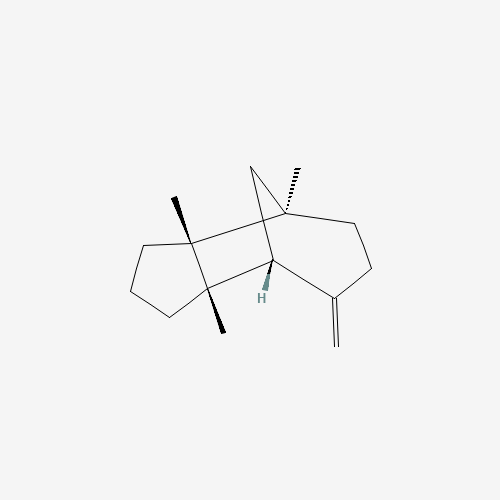 Name: Beta-BarbateneView
Scientific Name: (1R,2R,6S,7R)-1,2,6-trimethyl-8-methylidenetricyclo[5.3.1.02,6]undecane
-
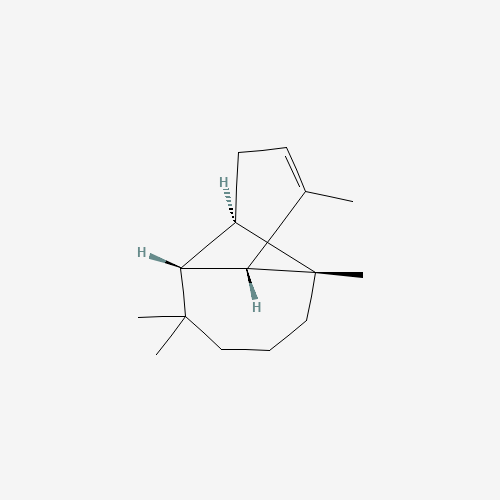 Name: LongipineneView
Scientific Name: (1R,2S,7R,8R)-2,6,6,9-tetramethyltricyclo[5.4.0.02,8]undec-9-ene
Latest Plants
-
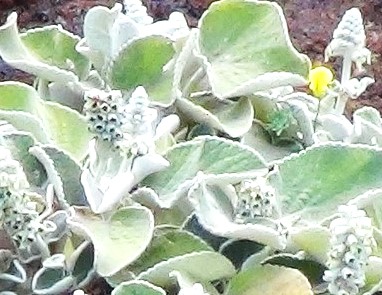 Name: Mountain teaView
Scientific Name: Sideritis cretica
-
 Name: Amomum nilgiricumView
Scientific Name: Amomum nilgiricum
-
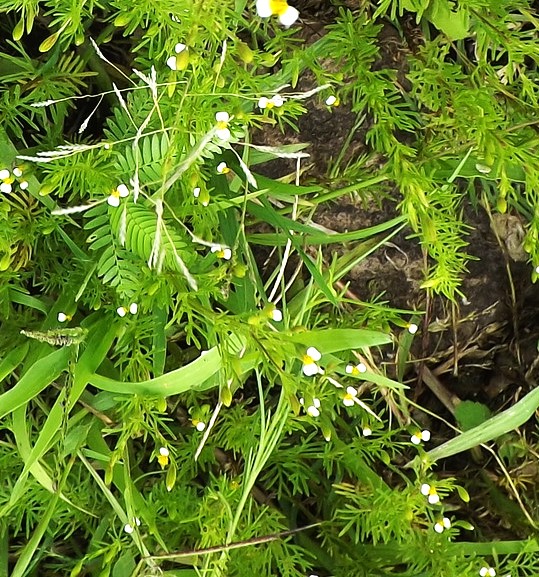 Name: Tagetes filifoliaView
Scientific Name: Tagetes filifolia